How to Use a Chainsaw to Cut Through Metal Safely
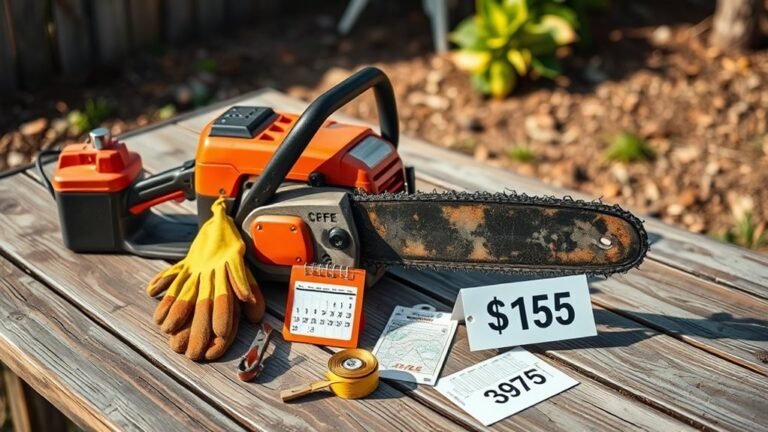
To cut metal safely with a chainsaw, you need to start with the right gear and setup. Always wear protective equipment like eye protection, gloves, and a respirator to keep yourself safe from sparks and flying debris.
It’s super important to use a chainsaw chain specifically designed for metal cutting, such as one with carbide-tipped teeth.
Make sure to firmly clamp the metal piece before you begin cutting to keep it stable. Keep the chain sharp and well-lubricated to ensure smoother cuts and less wear on your tool.
Also, watch out for overheating—pause regularly to let the blade cool down.
Controlling your cutting speed is key to avoiding dangerous kickbacks that can cause injury.
By following these steps, you’ll get safer, cleaner cuts every time. With a bit more practice and know-how, you’ll be able to master every detail of cutting metal with a chainsaw confidently.
Key Takeaways
- Always wear protective gear including eye protection, gloves, hearing protection, and a respirator when cutting metal with a chainsaw.
- Use a chainsaw chain with carbide-tipped or bi-metal teeth specifically designed for metal cutting.
- Secure the metal firmly with clamps or a vise and mark precise cut lines before cutting.
- Maintain steady pressure, proper stance, and pause regularly to cool the chain and prevent overheating.
- After cutting, deburr edges carefully and clean, lubricate, and inspect the chainsaw for damage before storage.
Essential Safety Gear for Metal Cutting With a Chainsaw
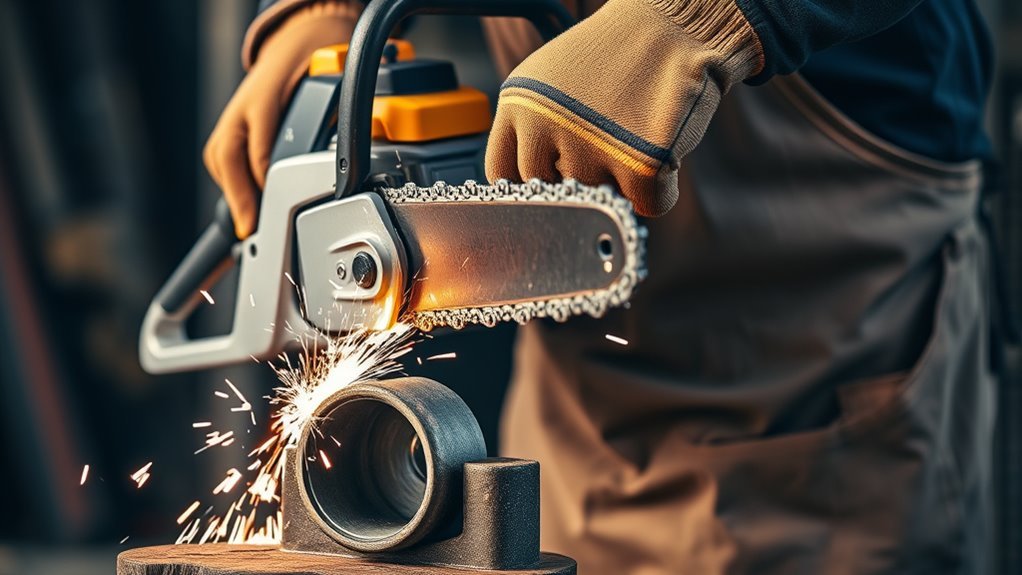
When cutting metal with a chainsaw, you need to gear up properly to stay safe. Start with essential safety gear like ANSI-rated eye protection and a full-face shield to guard against sparks, hot metal debris, and flying shards.
Heavy-duty, cut-resistant gloves protect your hands from sharp edges and accidental blade contact. Don’t forget ear protection—earplugs or earmuffs—since metal cutting creates loud noise.
A flame-resistant long-sleeve shirt and apron shield you from sparks and prevent burns, especially around flammable materials. Finally, wear a properly fitted dust mask or respirator to avoid inhaling harmful metal dust and fumes.
Selecting the Right Chainsaw Chain for Metal
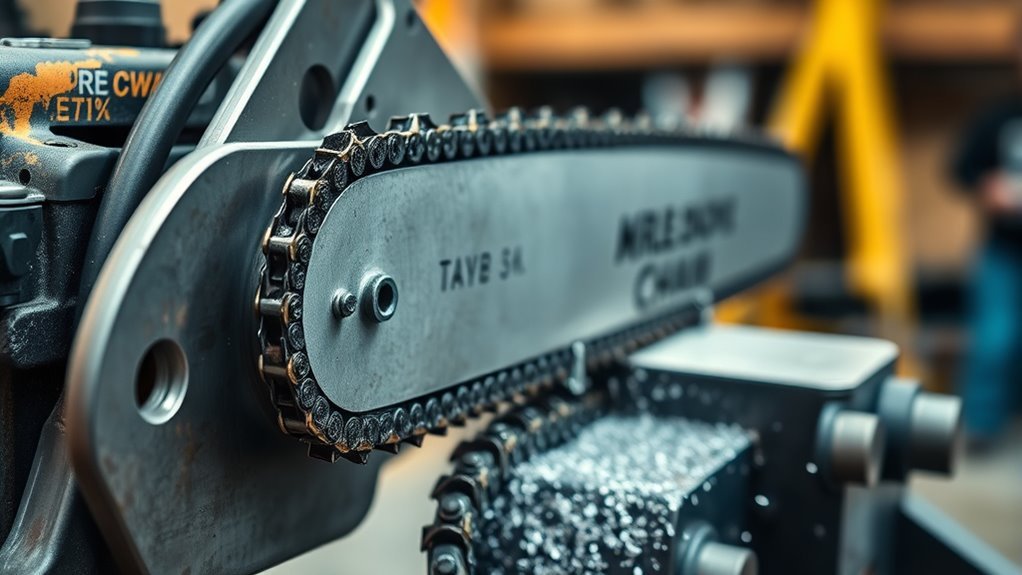
You’ll want to choose a chainsaw chain made specifically for metal, like bi-metal or carbide-tipped options that can handle tough materials.
Pay attention to durability factors, such as hardened teeth and the right teeth per inch, to make certain of smooth, efficient cuts.
Matching the chain’s gauge to your chainsaw bar and keeping it sharp will keep your cutting safe and effective.
Chain Types for Metal
Selecting the right chainsaw chain for metal cutting guarantees both safety and efficiency. When choosing a metal-cutting chain, you’ll want to pick from bi-metal chains or carbide-tipped chains.
Bi-metal chains combine high-speed steel and spring steel, giving you a flexible yet durable chain resistant to breaking. Carbide-tipped chains cost more but excel in hardness and longevity, perfect for tough metals like rebar or cast iron.
Remember, standard wood-cutting chains aren’t suitable—they can break or cause dangerous kickbacks. Always check the chainsaw chain specifications, especially the chain pitch and gauge, to ensure your metal cutting chainsaw fits the chain properly.
Using the right durable chains not only improves performance but also upholds chainsaw safety during metal cutting. So, picking the right chain really makes all the difference!
Chain Durability Factors
Although choosing the right chain type is crucial, understanding chain durability factors guarantees your chainsaw performs reliably during metal cutting. Opt for chains with carbide-tipped teeth, as they provide superior hardness and resist wear.
Pay attention to chain pitch—using a larger pitch like 3/4 inch or 1 inch boosts metal cutting efficiency on thicker materials. A thicker chain gauge combined with hardened rivets and durable links ensures your chain withstands continuous use without premature failure.
Proper chain tension and chain lubrication are essential; they prevent overheating and uneven wear, maintaining safe operation. Choosing a chain design with a low profile or semi-chisel shape not only improves control but also aids in kickback reduction.
Balancing these factors helps you maximize safety and durability during metal cutting tasks. It’s all about picking the right combo to keep your chainsaw working smoothly and safely.
Preparing the Metal Workpiece for Cutting
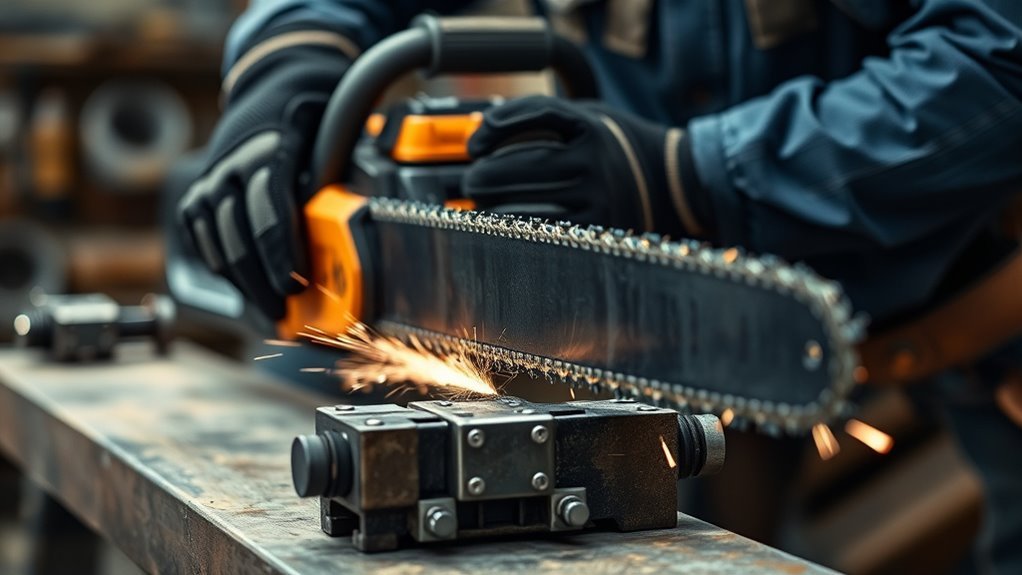
Before you start cutting, make sure your metal workpiece is firmly clamped to prevent any movement.
Take the time to mark clear, precise cut lines with a marker or scribe to guide your chainsaw.
These steps will help you cut accurately and stay safe throughout the process.
Secure Clamping Techniques
When you prepare to cut metal with a chainsaw, securely clamping the workpiece is essential to keep it steady and prevent accidents. Use a heavy-duty clamp or a sturdy vise mounted on a stable, non-slip surface.
Make sure the clamp or vise is positioned so the chainsaw blade won’t be obstructed. Tighten firmly enough to prevent movement but avoid warping the metal.
Place protective barriers between the clamp and the metal to avoid damage. Always double-check the stability before cutting.
| Step | Action | Tip |
|---|---|---|
| 1 | Choose clamp or vise | Use heavy-duty for stability |
| 2 | Mount securely | Select non-slip surface |
| 3 | Position clamp | Avoid blade obstruction |
| 4 | Tighten properly | Prevent deformation |
| 5 | Add protective barriers | Prevent scratches |
Marking Accurate Cut Lines
After securing your metal firmly with clamps or a vise, the next step is marking your cut lines accurately. Start by taking precise measurements with a ruler or calipers, then double-check them for accuracy.
Use a permanent marker or heat-resistant markers to make clear, lasting markings on the metal surface. For straight cuts, draw a straight line using a metal ruler or straightedge to guide your chainsaw effectively.
When you need to mark curves or intricate shapes, rely on flexible curve templates or specialized marking tools to transfer the design precisely. Avoid chalk or temporary markings that may smudge or fade during cutting.
Setting Up Your Chainsaw for Metal Cutting
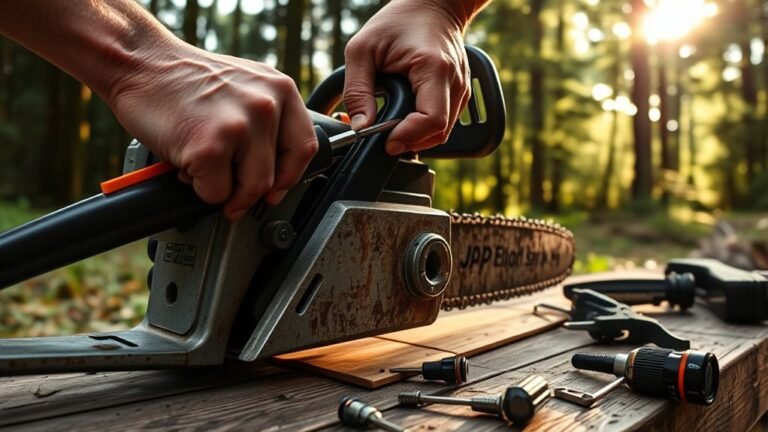
Although chainsaws are typically designed for wood, you’ll need to equip yours with a specialized metal-cutting or carbide-tipped chain to handle metal safely. Start your metal cutting setup by installing this metal-cutting chain and engaging the chain brake to prevent accidental movement.
Next, adjust the chainsaw chain tension so it’s snug but still rotates smoothly—this chain tension adjustment prevents slippage during cutting. Set the depth guide or bar length to match the metal’s thickness, avoiding excessive blade exposure.
Before you begin, verify all safety features like the chain catcher and hand guards are properly in place. Following these safety precautions guarantees your chainsaw is ready and safe for metal cutting tasks.
Proper Cutting Techniques and Saw Handling
Before you start cutting, make sure your chainsaw has a metal-cutting chain installed and that you grip it firmly with both hands. Maintain proper body positioning by standing to the side of the cut to manage debris safely.
Use steady pressure and avoid forcing the saw to ensure controlled cutting and effective speed control. Regularly check and adjust chain tension to prevent slippage or binding, which is essential for chainsaw safety.
Apply steady pressure and keep chain tension correct to ensure safe, controlled cutting without slippage or binding
Focus on smooth, consistent movements without excessive side-to-side motion to improve saw handling. This proper technique not only delivers clean cuts but also helps prevent kickback.
Always stay alert, balancing a firm grip and steady speed to maintain control. Doing this minimizes hazards and helps you achieve safe, efficient metal cutting with your chainsaw.
Managing Kickback and Other Hazards
When you handle a chainsaw cutting metal, managing kickback becomes essential for your safety. Always maintain a proper stance and hold the saw firmly with both hands, keeping the guide bar at a 45-degree angle.
Avoid cutting with the nose or tip of the guide bar—that’s the most common kickback hazard point. Use a chainsaw equipped with a chain brake and chain catcher; these safety features stop the chain instantly if kickback occurs.
Regularly check chain tension and sharpen the chain because a dull chain or loose tension increases kickback risk and other hazards. Following these chainsaw safety precautions helps you control the saw effectively and reduces accidents.
Stay alert to these dangers, and always respect the power of your tool to work safely. It’s all about being smart and careful out there!
Cooling the Chainsaw Chain and Blade During Use
Controlling kickback and handling your chainsaw safely also means keeping an eye on how hot the chain and blade get during metal cutting. Overheating can cause warping and reduce tool life, so effective cooling is key. Follow these steps:
- Perform a temperature check regularly; if the chain or blade feels too hot, pause and cool them immediately.
- Use bar and chain oil to lubricate continuously, reducing friction and heat buildup.
- Apply water or a specialized cooling spray during extended cutting sessions for better heat dissipation.
- Avoid cutting continuously for more than 10-15 minutes; take breaks to let your chainsaw cool down.
Keeping your chain’s temperature regulated prevents damage and ensures safer, more efficient cutting. So, don’t forget to give your tool a breather now and then!
Post-Cut Finishing: Deburring and Smoothing Edges
Although you’ve just finished cutting metal with your chainsaw, don’t rush to put it away. First, let the blade cool to avoid burns or damage.
Then, put on protective gloves before starting the deburring process. Use a metal file or deburring tool to carefully remove burrs and sharp edges along the cut line.
This step helps sharpen edges and eliminates metal fragments that could cause injury. After filing, focus on smoothing rough spots by sanding or grinding with abrasive discs or rotary tools.
Make sure to inspect the entire cut edge thoroughly to ensure no jagged shards remain. Taking these steps guarantees a clean finish and safer handling of the metal piece.
Proper post-cut finishing is essential for both safety and professional results.
Maintenance Tips for Chainsaws After Metal Cutting
Since metal cutting leaves behind fine shavings and debris, you should clean your chainsaw’s bar and chain thoroughly right after use. Proper chainsaw maintenance after metal cutting guarantees safety and prolongs tool life.
Follow these steps:
- Perform debris removal using a brush or compressed air to clear metal shavings from the chain and guide bar.
- Apply fresh chain oil to lubricate the chain and bar, aiding rust prevention and smooth operation.
- Conduct sprocket inspection and guide bar check, ensuring no damage or excessive wear.
- Adjust chain tension correctly before storage, then store your chainsaw in a dry place with protective covers as part of good storage tips.
Regular chain sharpening is essential for peak performance after metal cutting. Make sure to keep your chain sharp to keep things running smoothly.
Frequently Asked Questions
Can You Cut Through Metal With a Chainsaw?
You can’t safely cut metal with a standard chainsaw because its chain isn’t designed for that.
Instead, use tools made for metal cutting like angle grinders or saws with proper blades to avoid damage and injury.
It’s really important to pick the right tool for the job to keep things safe and working smoothly.
What Is the Best Way to Cut Through Metal?
You might think a chainsaw can cut metal, but it can’t safely.
The best way is using an angle grinder, plasma cutter, or metal saw—they’re designed for metal and keep you safe while working efficiently.
How to Cut With a Chainsaw for Beginners?
Start by choosing the right blade and securing your material firmly. Wear safety gear, keep a steady grip, and make slow, controlled cuts.
Don’t force the saw; let it do the work. This helps you avoid accidents and makes the job easier overall.
Can You Use a Saw to Cut Through Metal?
You can cut metal with a saw only if it has a specialized metal-cutting blade. Using a regular saw risks damage and injury.
Always choose the right tool and blade designed for metal to stay safe. It’s not just about getting the job done; it’s about doing it safely too.
Conclusion
Using a chainsaw to cut metal might sound risky, but with the right gear and techniques, you can do it safely and effectively. Did you know that choosing a special metal-cutting chain and keeping your saw cool can drastically reduce wear and accidents?
By preparing your workpiece and managing kickback carefully, you’ll protect yourself and your tool. Stick to these tips, and you’ll master metal cutting with confidence and precision every time.
Remember, safety is key when using a chainsaw for metal cutting. Always wear protective gear like gloves, goggles, and ear protection to stay safe. Also, using the correct metal-cutting chain and maintaining the saw’s temperature will help prevent damage and make your cuts smoother.
With proper preparation, careful handling, and the right equipment, you can use a chainsaw to cut through metal safely and efficiently. Follow these guidelines, and you’ll enhance both your safety and the quality of your metal cutting projects every time.