How to Determine If Chainsaw Chains Are Universal
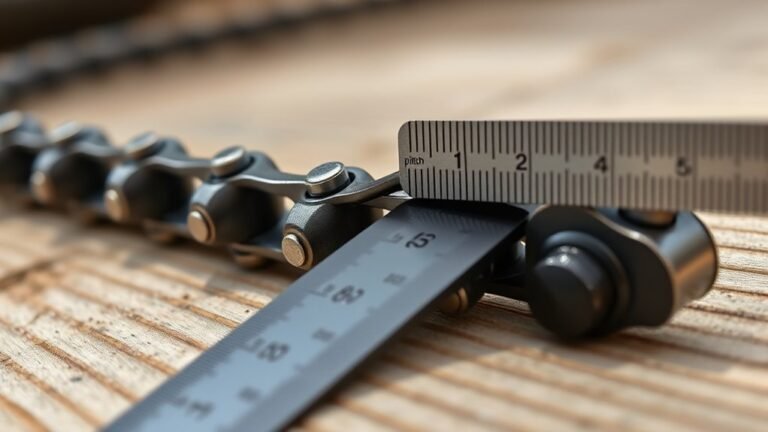
You can’t just trust a “universal” label to know if a chainsaw chain will fit your saw. Measuring the chain pitch is essential—you do this by dividing the distance between three rivets by two.
Next, check the gauge with a caliper, and count the drive links to make sure they match your bar and sprocket.
Without these steps, the chain might not fit properly or could even cause damage.
Understanding how each factor affects compatibility is key for safe, efficient cutting. Keep following to learn more about what really makes a chainsaw chain fit your saw perfectly.
Key Takeaways
- Universal chainsaws chains often do not guarantee fit across all saw brands due to pitch, gauge, and drive link differences.
- Measure chain pitch by dividing the distance between three rivets by two to verify compatibility with your saw’s sprocket and bar.
- Count the drive links on the chain to ensure it matches the saw and bar specifications for proper length and fit.
- Use a dial caliper to measure chain gauge and confirm it matches the guide bar’s groove size.
- Always prioritize manufacturer specifications over “universal” labels to ensure safe, efficient, and proper chain fit.
Understanding Chainsaw Bar Length and Its Impact

Although you might assume chainsaw bar length is straightforward, measuring it correctly is essential for choosing the right chain. You need to measure from the tip of the bar to the edge where it exits the saw casing, not just rely on the labeled size.
Most bar lengths range from 10 to 42 inches, with 16 to 20 inches being the most common for general use. However, bar length alone doesn’t guarantee chain compatibility.
You also have to factor in chain pitch, gauge, and drive link count to ensure a perfect fit. Longer bars usually require chains with more drive links to fit the sprocket and guide groove properly.
Getting this measurement right helps you pick the right chain when replacing or upgrading your chainsaw. It might seem like a small detail, but it makes a big difference in performance and safety.
Counting Drive Links for Accurate Chain Measurement

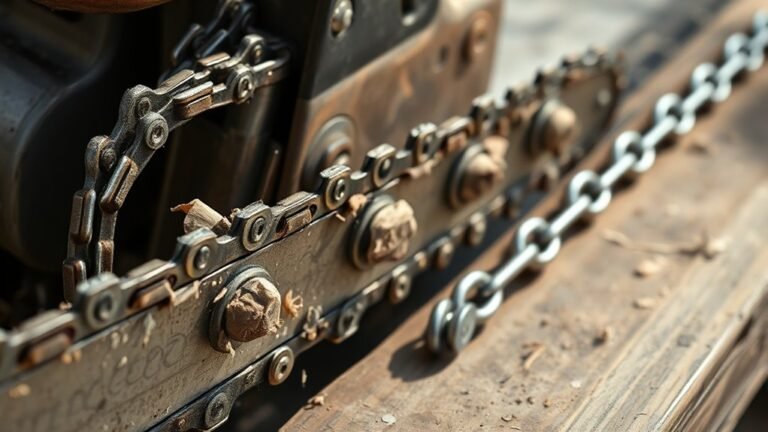
When you need to replace or size a chainsaw chain, counting the drive links accurately is essential. First, remove the chain from the saw and count each metal segment underneath that fits into the bar groove — these are the drive links.
Focus on the inner links, not the cutting teeth, and count all drive links on one side. Make sure the chain isn’t stretched while counting.
Confirm your count matches the specs in your saw’s manual for proper compatibility.
| Step | What to Count | Tip |
|---|---|---|
| Remove chain | Drive links only | Inner metal segments fit bar |
| Count carefully | One side of chain | Total should be an even number |
| Verify count | Against manual specs | Avoid overstretching chain |
Explaining Chain Pitch and Its Importance

After counting the drive links to verify the chain fits your saw, you’ll need to understand chain pitch, which plays a key role in compatibility. Chain pitch is the distance between three consecutive rivets divided by two, usually measured in inches.
This measurement determines the chain’s size and must match your saw’s sprocket and bar for proper fit and safe operation. Common chain pitches include 3/8″, .325″, and 3/8″ Picco, each requiring specific files for maintenance.
Using a chain with the wrong pitch can lead to poor cutting performance, faster wear, or even damage to your saw. To ensure an accurate match, measure the center-to-center distance of rivets and divide by two, confirming the chain pitch aligns perfectly with your equipment.
The Role of Chain Gauge in Compatibility
You need to measure the chain gauge precisely, usually with a dial caliper, to guarantee it fits your bar’s groove. The thickness of the drive link directly affects how well the chain sits and moves along the bar.
Using the wrong gauge can lead to poor fit and even damage, so it’s essential for compatibility. It’s a small detail, but it makes a big difference in performance and safety.
Measuring Chain Gauge
How do you guarantee your chainsaw chain fits perfectly? The key lies in accurately measuring the chain gauge. Chain gauge refers to the thickness of the drive links and must match your bar’s groove for compatibility.
Here’s how you measure it right: Use a dial caliper for precise measurement instead of a tape measure. It’s way more accurate and helps avoid guesswork.
Also, check the chain gauge stamped on the chain’s side or its packaging. Then, compare this measurement with the bar’s recommended gauge to make sure they match.
Using the wrong chain gauge can cause binding, uneven cutting, and damage to your saw. So, measuring the chain gauge correctly helps keep your chainsaw running smoothly and safely, giving you ideal performance every time.
Impact on Fit
Measuring the chain gauge accurately sets the foundation for how well your chainsaw chain fits the bar. The chain gauge refers to the thickness of the drive links, which must precisely match the groove in the guide bar to guarantee a proper fit.
If the chain gauge is too thick, it can bind against the guide bar and cause excessive wear on both the bar and the drive sprocket. On the other hand, a chain gauge that’s too thin leads to a loose fit, causing slipping and poor cutting performance.
Using a dial caliper helps you measure the chain gauge accurately, aligning it with the manufacturer’s specs. Confirming the chain gauge matches the guide bar and drive sprocket is essential for safe operation and peak chainsaw performance.
How Drive Links Affect Chain Fit and Performance
You need to match the drive link count to your chainsaw bar and sprocket for a proper fit. The right number of drive links guarantees your chain tensioned correctly, preventing it from being too tight or too loose.
Getting this right ensures smooth operation and better cutting performance. It’s all about keeping things running smoothly without any hiccups.
Drive Link Count Importance
Why does the number of drive links matter so much for your chainsaw? It’s essential because the drive links engage directly with the sprocket, affecting fit and operation.
Here’s why you should pay close attention:
- Proper Fit: Matching drive links to your saw’s specifications ensures the chain fits perfectly. This prevents the chain from being loose or overly tight, which can cause problems.
- Performance & Safety: Using incorrect drive links can cause increased wear and reduce efficiency. It might even damage your bar or sprocket, which is a safety risk you don’t want to take.
- Longevity: When you use the right drive link count, you extend the life of your chain and equipment. It helps maintain smooth operation and reduces strain on your saw.
Compatibility With Bar
How closely your drive links match the chain pitch and bar length directly impacts your chainsaw’s performance. When choosing a new Chainsaw Chain, you need to verify the number of drive links fits the bar length specified by the manufacturer.
Stihl recommends checking the model number and specifications to ensure compatibility between the bar and chain. A mismatch in drive link count or pitch can lead to poor fit, increased wear, or even chain derailment.
Before installing a new one, count the drive links and compare them to your saw’s sprocket and bar. This process, sometimes generated by AI tools, helps confirm if the chain is universal or specific.
Just like a spark plug in an engine, precise matching guarantees your chainsaw runs smoothly without issues in your new account of maintenance.
Impact on Chain Tension
Matching the number of drive links to your chainsaw’s sprocket and bar specifications directly influences chain tension and overall performance. When the drive links fit properly, you maintain consistent tension, preventing slippage and chain derailment.
Here’s why it matters: proper fit avoids uneven tension that can cause chain sagging or an overly tight chain. Matching drive links ensures the chain rides correctly on the bar, boosting cutting efficiency and safety.
Accurate drive link count also reduces premature wear on both the chain and sprocket. If your chain’s drive link count or size varies from your saw’s pitch and bar groove compatibility, you risk poor performance and potential damage.
Brand-Specific Variations in Chain Specifications
Although chainsaw chains might look similar across brands, you can’t simply swap them without considering brand-specific variations in pitch, gauge, and drive link counts. Brands like Husqvarna, Stihl, and Oregon design their chains with unique specs tailored to their saws.
For example, Husqvarna chains often have 16-66, 18-72, or 20-78 drive links, while Stihl chains use 16-67, 18-74, or 20-81. These differences reflect variations in bar length and chain profiles.
These distinctions affect sprocket sizes and mounting hole patterns, making chains incompatible across brands. If you use a chain not designed for your saw’s brand, you risk improper fit, faster wear, and potential damage.
Matching Chains to Bars and Sprockets
You need to make certain your chain matches the bar and sprocket in pitch, gauge, and drive link count for ideal performance. Check the number of drive links carefully to fit the bar length and allow smooth sprocket rotation.
Using mismatched parts can lead to poor cutting and damage your chainsaw. So, it’s really important to get the right match to keep everything running smoothly.
Chain and Bar Compatibility
When selecting a chainsaw chain, you’ll need to guarantee its pitch, gauge, and drive link count align perfectly with your bar and sprocket specifications. Compatibility ensures smooth operation and safety.
Here’s how to confirm your chain fits:
- Pitch: Measure the distance between three consecutive rivets divided by two; it must match the bar’s pitch.
- Gauge: Check the thickness of the drive links; this should correspond to the bar’s groove width.
- Drive Link Count: Count the drive links on the chain to verify it matches the bar’s length.
Even universal chains require these matches. Using a chain that doesn’t meet these specs risks poor cutting performance and can damage your saw.
Sprocket and Drive Links
Ensuring your chainsaw chain fits both the bar and sprocket means paying close attention to the sprocket’s tooth count and the number of drive links on the chain.
Drive links fit into the bar’s groove and must match the chain’s specs and sprocket teeth for smooth operation. A universal chain usually aligns with various sprockets, but double-checking compatibility is key.
| Component | What to Check | Why It Matters |
|---|---|---|
| Drive Links | Count matches specs | Proper chain length |
| Sprocket Teeth | Tooth count matches | Smooth sprocket rotation |
| Chain Pitch | Consistent with sprocket | Prevents damage |
| Chain Gauge | Fits bar groove | Ensures secure fitting |
| Manufacturer Specs | Match drive link and sprocket | Confirms universal fit |
Always verify these to make sure your chain runs safely and efficiently. Taking a few extra minutes now can save you a lot of trouble later.
Pitch and Gauge Matching
Although selecting the right chainsaw chain involves several factors, matching the chain’s pitch and gauge to your bar and sprocket is essential for maximum performance. The pitch is the distance between three rivets divided by two, and it must exactly match your bar and sprocket specs.
The gauge is the thickness of the drive links, which should fit snugly in the bar groove and on the sprocket.
To ensure proper fit and avoid damage, follow these steps:
- Measure the pitch of your existing chain and compare it to the manufacturer’s specs.
- Check the gauge thickness and confirm it matches the bar groove and sprocket.
- Never mix mismatched pitch or gauge chains to prevent wear, tension issues, and potential engine damage.
Matching pitch and gauge ensures smooth, safe operation and extends your saw’s lifespan. It’s a simple step that makes a big difference in how your chainsaw performs.
Measuring Chains and Bars for Proper Replacement
To replace your chainsaw chain correctly, you’ll need to measure both the chain and the bar accurately. Start by measuring the chain pitch: divide the distance between three consecutive rivets by two. This ensures the pitch matches your saw’s specifications.
Next, count the drive links on the chain to verify its length fits both the bar and sprocket. Use a dial caliper to measure the chain gauge precisely; it must fit the bar’s groove and drive links.
Don’t forget to confirm the tooth count and pitch align with the manufacturer’s guidelines for your chainsaw model. Finally, compare the measured bar length with the chain length. Keep in mind that the actual bar size may slightly differ from its labeled dimensions due to manufacturing tolerances.
Common Misconceptions About Chain Universality
You might think that chains labeled “universal” will fit any chainsaw, but that’s rarely the case. Many people assume all chainsaw chains are interchangeable. However, the proper fit depends on matching pitch, gauge, and drive link count.
Here are three common misconceptions:
- Size Equals Compatibility: Just because chains have the same length in inches doesn’t mean they have the same drive link count. And that difference can make them incompatible.
- Universal Labels Guarantee Fit: Even if a chain says “universal,” mismatched pitch or tooth counts can lead to chain failure or an improper fit.
- Any Chain Works on Any Model: Manufacturer specs usually take priority over universal claims. Ignoring those can risk damage to your bar, sprocket, or engine.
Getting these details right helps you avoid costly mistakes. Plus, it keeps your chainsaw running safely and efficiently.
Tips for Selecting the Right Chain for Your Chainsaw
Understanding that not all chains labeled “universal” will fit your chainsaw sets the stage for selecting the right chain. First, check your saw’s specifications—pitch, gauge, and drive link count—usually stamped on the bar or chain. Make sure the chain matches these exactly.
Consider the tooth design and count, choosing between full chisel or semi-chisel based on your cutting needs and saw model. Stick to manufacturer-recommended brands like Oregon or Stihl to ensure compatibility and performance.
Also, confirm the chain suits your bar length; for example, a 20-inch bar needs a chain with the correct drive links. If unsure, measure your current chain or consult your saw’s manual before buying. Following these steps helps you avoid poor fits and ensures safe, efficient cutting.
Frequently Asked Questions
How to Identify Your Chainsaw Chain?
You identify your chainsaw chain by checking stamped specs like pitch, gauge, and drive link count. Count teeth, measure pitch between rivets, and compare these details to your saw’s manual or existing chain for a perfect match.
It sounds a bit technical, but once you get the hang of it, it’s pretty straightforward. Just take your time and double-check those numbers before making a purchase. That way, you ensure your chainsaw runs smoothly and safely.
Can I Use a .043 Chain on a .050 Bar?
You can’t use a .043 chain on a .050 bar because the chain will be too narrow and won’t fit properly. This mismatch can cause damage to your saw.
Always make sure to match the chain size to your bar. It’s the best way to ensure safe and efficient cutting.
What Size Chain Does a Makita XCU03 Chainsaw Have?
You might expect any chain to fit, but the Makita XCU03 uses a 3/8-inch pitch chain with about 66 drive links and a .043-inch gauge.
Always match these specs for safe, efficient cutting. It’s important to use the right chain to keep your saw running smoothly and safely.
Why Do Loggers Run Chainsaw Bars Upside Down?
You run chainsaw bars upside down to extend bar life, balance wear, and use the other chain side. This also helps prevent nose sprocket damage and clears debris more easily.
It improves cutting efficiency during tough jobs. Plus, flipping the bar gives you a fresh edge to work with without needing a new bar. It’s a simple trick that saves time and money.
Conclusion
Imagine your chainsaw roaring to life, its chain gripping wood with perfect precision. To keep that power steady, you need the right chain—one that fits your bar, sprocket, and cutting style like a glove.
Don’t fall for the myth of universal chains; measuring drive links, pitch, and gauge is your map through the forest of options. With careful matching, your saw will glide smoothly, turning every cut into a clean, confident strike.
Choosing the correct chainsaw chain isn’t just about convenience—it’s about safety and efficiency. By understanding how to determine if chainsaw chains are universal or specific, you ensure your tool performs at its best. So, always check the chain specifications to find the perfect fit for your chainsaw, and enjoy effortless cutting with every use.